Scaling a business is one of the most challenging yet rewarding endeavors a leadership team can undertake. Growth is rarely the result of a single brilliant idea or a sudden stroke of good fortune. Instead, sustainable expansion requires a systematic approach that aligns infrastructure, operational efficiency, financial management, physical assets, and human capital. When a company moves from initial stability toward rapid scaling, the systems and habits that served it during its early days often become bottlenecks. To break through these growth plateaus, business leaders must reevaluate every dimension of their enterprise, ensuring that the foundation beneath them is strong enough to support exponential weight.
True operational scaling demands a balance between internal process refinement and external facility management. While strategic marketing and sales innovation drive top-line revenue, operational capability dictates whether a company can fulfill higher demand without compromising quality, safety, or profit margins. Growing organizations must proactively upgrade physical locations, maintain healthy indoor environments, safeguard critical assets, and streamline logistics. By approaching expansion through a holistic framework, business owners can construct an adaptable, resilient commercial enterprise that turns growth opportunities into lasting enterprise value.
Building a Strong Physical and Operational Foundation
Optimizing Operational Facilities and Storage
As businesses expand their footprint, physical space limitations frequently threaten productivity and inventory management. Expanding companies often require specialized architectural structures that can accommodate heavier machinery, expanded assembly lines, or higher inventory density. Investing in custom PEMBs allows growing enterprises to design durable, cost-effective warehouse space tailored to their exact workflow requirements without the long construction delays associated with traditional brick-and-mortar builds. Alongside structural expansions, floor longevity plays a critical role in high-traffic industrial environments. Applying a heavy-duty commercial floor coating service protects high-impact concrete areas from chemicals, heavy equipment, and continuous foot traffic, thereby reducing downtime caused by structural maintenance.
-
Evaluate workflow density regularly to determine when physical floor space must be expanded or reconfigured.
-
Select structural designs that support rapid modular additions as operational capacity requirements grow.
-
Protect concrete surfaces early to prevent expensive structural repairs during high-volume production cycles.
-
Implement preventative building maintenance schedules to extend the operational lifespan of facility assets.
Securing and Maintaining Facility Systems
A growing business requires robust electrical infrastructure and pristine internal environmental conditions to keep employees productive and machines running continuously. Expanding machinery suites, server rooms, and specialized commercial equipment require heavy power draws that older facilities simply cannot sustain safely. Partnering with an experienced commercial electrician ensures that primary distribution panels, emergency backup generators, and localized power lines meet rigorous industrial standards and compliance codes. Furthermore, maintaining high indoor air quality is vital for workforce health, regulatory compliance, and equipment longevity. Regularly replacing every commercial air filter across heating and cooling units keeps particulate matter low, reduces energy consumption, and protects sensitive computer machinery from premature failure caused by dust buildup.
-
Conduct periodic energy audits to identify power bottlenecks before adding heavy industrial machinery.
-
Schedule routine inspections of high-voltage distribution panels to minimize unexpected power outages.
-
Establish a standardized replacement interval for facility HVAC filtration components to maximize air circulation.
-
Upgrade indoor lighting and electrical controls to lower overhead utility expenses during peak operational hours.
Managing Facility Infrastructure and Site Development
Enhancing Exterior Grounds and Access Points
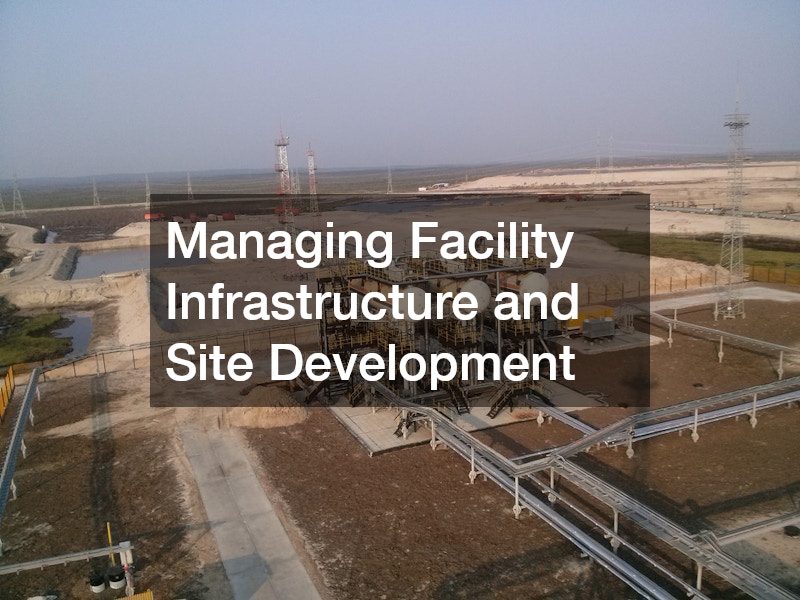
The physical exterior of a commercial property conveys professionalism, protects high-value fleet vehicles, and provides safe access for employee commuter traffic and heavy delivery trucks. Damaged parking surfaces and unpaved loading yards introduce significant safety hazards and liability risks for expanding logistics operations. Working with a professional commercial paving contractor ensures that heavy transport zones are properly graded, reinforced, and paved to withstand constant heavy vehicle movement over many years. In addition to durable pavement, securing the perimeter of commercial properties prevents unauthorized entry, protects outdoor inventory, and shields proprietary equipment. Partnering with a reliable commercial fence company allows business owners to install heavy-duty security barriers, automated gate access controls, and boundary fencing that safeguard valuable company assets day and night.
-
Repair surface cracks and drainage issues immediately to prevent structural degradation in high-traffic asphalt areas.
-
Design dedicated perimeter entry pathways to separate employee vehicular traffic from heavy transport trucks.
-
Integrate high-security fencing solutions with automated access logging systems to track all physical movements on-site.
-
Ensure clear visible signage and paved markups are installed across parking facilities to optimize vehicle flow.
Securing Independent Utility Solutions
For commercial entities located in suburban, industrial, or rural zones, securing reliable water supplies is fundamental to supporting sustained operational growth and specialized manufacturing processes. Municipal water networks can be expensive or subject to capacity constraints, leading many scaling enterprises to invest in dedicated private utility systems. Engaging professional well drilling services allows companies to establish independent water sources that satisfy both operational demands and facility sanitation requirements. Depending on soil composition and regional water tables, specialized water well drilling provides a sustainable, long-term water management strategy that cuts recurring utility overhead costs while giving the business complete control over its resource resilience.
-
Assess geographic geology and local water demands before initiating major commercial construction projects.
-
Implement secondary backup filtration systems to ensure supply purity for specialized production needs.
-
Schedule periodic well pump and pressure system testing to guarantee uninterrupted flow rates year-round.
-
Maintain complete compliance documentation regarding regional environmental permits and local water extraction limits.
Streamlining Workspace Management and Logistics
Maintaining Hygienic Work Environments
A clean, structured work environment directly influences workforce morale, operational safety, and overall employee productivity. As team headcount increases and physical facilities expand, internal janitorial demands rapidly outpace in-house capabilities. Delegating sanitation tasks to a dedicated commercial cleaning service ensures that office floors, industrial workstations, and common areas remain sanitized according to commercial health standards. Maintaining rigorous cleanliness standards reduces employee absenteeism, prevents cross-contamination in shared spaces, and presents a polished, professional image to visiting clients and key stakeholders.
-
Establish daily, weekly, and deep-cleaning schedules tailored specifically to high-use operational zones.
-
Utilize high-grade disinfectant protocols across all high-touch surface areas to minimize office illness spread.
-
Monitor janitorial inventory and supplies continuously to avoid running low on vital hygiene essentials.
-
Audit facility cleanliness regularly using standardized checklists to ensure third-party service accountability.
Executing Seamless Business Transitions
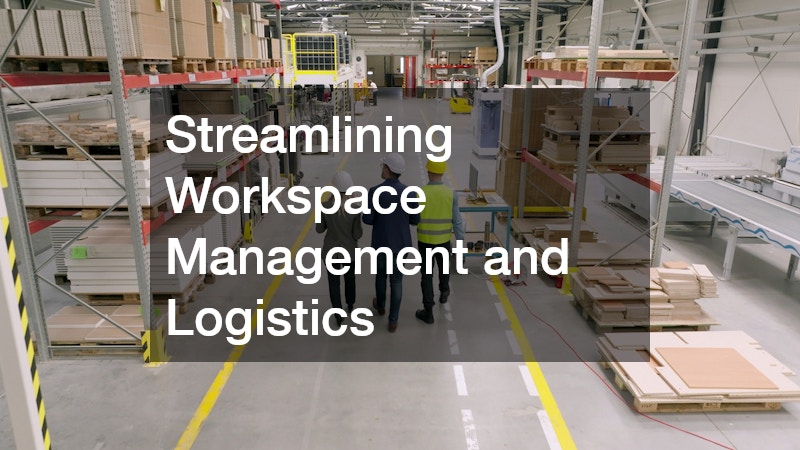
Growth often necessitates relocating corporate headquarters, expanding into regional branch offices, or moving heavy machinery between multiple manufacturing sites. Disrupted operational schedules during facility moves can quickly erode profit margins if transitions are improperly managed. Engaging professional commercial moving services minimizes operational downtime by ensuring that sensitive server racks, office furniture, and specialized machinery are transported efficiently and securely. Detailed planning and professional logistics support enable companies to resume normal business operations swiftly without losing valuable momentum or missing critical client deliverables.
-
Develop a phased relocation schedule to keep core business operations functioning during physical office moves.
-
Label and catalog all hardware, documents, and equipment systematically prior to transport to expedite setup.
-
Coordinate IT infrastructure installation at the new site before moving staff or primary administrative teams.
-
Conduct post-move facility audits to ensure all equipment is fully operational before resuming peak production schedules.
Strategic Growth Drivers for Scalable Businesses

Aligning Human Capital with Scaling Goals
No business can outgrow the capability of its team. As organizations scale, leadership must transition from tactical execution to strategic delegation. Hiring top-tier talent is only the first step; creating an environment where high performers can thrive, innovate, and take ownership is what truly drives sustainable expansion. Building a strong middle-management tier allows executive leaders to step back from day-to-day troubleshooting and focus on market expansion, strategic partnerships, and long-term capital allocation.
To align human capital with long-term scaling objectives, companies must build transparent career progression frameworks and structured onboarding programs. Clear communication of organizational goals ensures that every team member understands how their individual performance impacts the broader corporate vision. Furthermore, investing in continuous professional development through training workshops, leadership coaching, and skill-building initiatives fosters high retention rates and minimizes expensive employee turnover during crucial growth phases.
-
Define key performance indicators for every role to ensure accountability across expanding departments.
-
Establish a robust middle-management layer to handle operational oversight as team size grows.
-
Provide continuous training programs to help employees adapt to updated technologies and internal systems.
-
Cultivate a transparent corporate culture that recognizes exceptional contributions and encourages internal innovation.
Implementing Scalable Technology Infrastructure
Technology is the ultimate force multiplier for a scaling business. Relying on fragmented, legacy software systems or manual data entry creates operational silos that slow down decision-making and increase administrative error rates. Modern commercial scaling requires a unified software stack, such as enterprise resource planning and customer relationship management platforms, that aggregates real-time data across sales, finance, customer support, and supply chain operations.
Automating routine administrative workflows frees up valuable human capital, allowing employees to focus on high-value strategic tasks. Cloud-based software solutions offer unmatched scalability, allowing businesses to expand user seats, processing power, and storage capacity instantly as demand fluctuates. Additionally, cybersecurity measures must evolve alongside business expansion. Protecting customer records, financial accounts, and proprietary operational workflows from digital threats is essential for maintaining enterprise credibility and client trust.
-
Upgrade to cloud-based enterprise platforms that integrate finance, inventory, and customer management into one database.
-
Automate repetitive administrative workflows to reduce human error and accelerate operational throughput.
-
Implement multi-layered cybersecurity protocols, including multi-factor authentication and routine system data backups.
-
Review software tool usage quarterly to eliminate redundant applications and optimize technology subscription spending.
Financial Management and Capital Allocation
Optimizing Cash Flow and Operations
Rapid growth is notoriously expensive, and revenue expansion does not automatically guarantee profit stability. In fact, many fast-growing businesses face cash flow crises because expenses outpace cash collection schedules. Managing working capital effectively requires tight control over inventory levels, receivables, and vendor payment terms. Leaders must maintain clear visibility into monthly burn rates and operating margins to ensure the business remains solvent while pursuing aggressive expansion opportunities.
Developing precise financial forecasting models allows executives to stress-test their business under various economic scenarios. Streamlining invoicing processes, offering small early-payment discounts to customers, and negotiating extended terms with key suppliers can significantly improve liquid cash reserves. By prioritizing working capital management, growing enterprises maintain the financial agility needed to navigate unexpected market shifts or capitalize on sudden growth opportunities without relying excessively on high-interest debt.
-
Monitor cash conversion cycles weekly to ensure working capital remains adequate during rapid growth phases.
-
Shorten payment terms for client invoices and implement automated billing reminders to accelerate cash inflow.
-
Negotiate favorable payment terms with primary vendors to maintain liquidity for operational reinvestment.
-
Build cash reserve buffers equal to several months of operating expenses to guard against unexpected market downturns.
Investing in Long-Term Value Creation
Capital allocation is one of the primary responsibilities of executive leadership during a period of scaling. Deciding whether to reinvest profits into research and development, physical asset acquisition, marketing campaigns, or talent acquisition determines the future trajectory of the firm. Leaders must evaluate every major capital expenditure based on its long-term return on investment rather than short-term convenience.
Smart capital allocation also involves diversifying revenue streams to mitigate market risk. Expanding into complementary product lines, entering secondary geographical markets, or acquiring smaller strategic competitors can accelerate growth while protecting the firm against single-market downturns. By balancing immediate operational spending with long-term strategic investments, business owners build enduring enterprise value that compounds over time.
-
Establish rigorous return-on-investment benchmarks before committing capital to major physical or technological upgrades.
-
Diversify revenue sources across multiple client segments or product categories to reduce market reliance.
-
Reinvest a fixed percentage of net profits into research and development to remain ahead of industry trends.
-
Explore strategic acquisition opportunities that offer instant entry into new geographic territories or target demographics.
Achieving sustained corporate expansion requires a comprehensive strategy that connects physical infrastructure with modern operational management. From securing facility perimeters and expanding physical footprints to streamlining IT systems and optimizing cash flow, every component of an enterprise must be built for strength and adaptability. When leadership invests in high-quality facility upgrades, rigorous systems maintenance, and top-tier talent, the business gains the operational resilience needed to handle increasing market demand. Scaling successfully is ultimately about building a reliable foundation that turns growth challenges into sustainable, profitable market leadership.