
First impressions dictate whether a potential client steps through your front door or drives straight to your nearest competitor. When a business owner delays essential building and grounds maintenance, those neglected issues send an immediate signal of carelessness and instability. Customers subconsciously equate the physical condition of a property with the quality of the products or services offered inside. Beyond aesthetics, deferred maintenance creates genuine safety hazards, operational bottlenecks, and compliance violations that can shutter a location overnight. Addressing structural, mechanical, and exterior vulnerabilities proactively protects both your brand reputation and your bottom line.
Exterior Access and Lot Safety
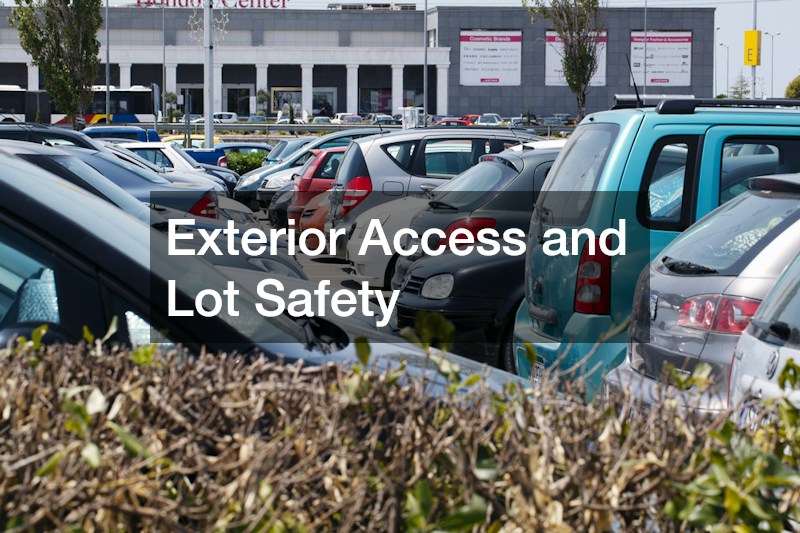
The exterior of a commercial property serves as the initial handshake with every visitor, delivery driver, and employee. If navigating the parking lot or approaching the entrance feels hazardous or inconvenient, customers will quickly take their business elsewhere.
Maintain Clear Parking Lots and Walkways During Winter Weather
Winter storms can paralyze foot traffic and create severe liability risks for retail storefronts, office complexes, and medical facilities. Leaving ice and slush unattended tells visitors that their safety is not a priority.
- Establish a seasonal contract before the first freeze hits to guarantee priority service during heavy blizzards.
- Identify high-traffic pedestrian zones, handicapped parking spaces, and loading docks that require immediate clearing.
- Stock eco-friendly de-icing agents near entrances so staff can treat sudden black ice patches between plow visits.
- Ensure drainage grates remain unobstructed so melting snow does not refreeze into dangerous sheets overnight.
Partnering with a reliable commercial snow removal provider ensures that your parking lot remains accessible before your doors even open for the morning rush.
Eliminate Overgrown Foliage and Hazardous Branches
Trees and landscaping enhance curb appeal, yet neglected greenery quickly becomes an eyesore and a physical threat. Low-hanging limbs can scratch customer vehicles, block storefront signage, and obscure security lighting after dark.
- Schedule biannual canopy inspections to spot deadwood, fungal growth, or storm-damaged limbs hanging over walkways.
- Trim shrubs and ornamental grasses away from windows and entryways to maximize natural light and visibility.
- Remove root systems that are buckling asphalt or lifting concrete sidewalks into uneven tripping hazards.
- Keep branches well clear of overhead power lines and rooftop HVAC units to prevent costly service interruptions.
Reaching out to local tree removal companies at the first sign of tree decay protects your property from sudden limb failures during high winds and keeps your storefront fully visible from the street.
Structural Integrity and Loading Zones

Behind-the-scenes infrastructure is just as vital to customer satisfaction as the front lobby. When structural components fail, order fulfillment slows down, inventory gets damaged, and clients experience frustrating delays.
Keep Bay Doors Operating Smoothly and Quietly
For auto shops, warehouses, distribution centers, and retail receiving bays, overhead doors are the literal gateways of daily commerce. A door that jams halfway, screeches loudly, or refuses to seal properly disrupts workflow and looks unprofessional to visiting clients.
- Lubricate rollers, hinges, and tracks monthly using a silicone-based commercial lubricant rather than standard grease.
- Test photo-eye sensors and auto-reverse safety mechanisms weekly to prevent accidents involving staff or customer vehicles.
- Inspect weather stripping along the bottom edge to keep pests, drafts, and rainwater out of inventory storage areas.
- Listen for grinding noises or uneven lifting, which often indicate worn torsion springs or frayed lifting cables.
Scheduling prompt commercial garage door repairs prevents minor track misalignments from escalating into complete mechanical failures that trap delivery trucks or expose your facility to theft.
Repair Cracked Foundations and Uneven Slabs
Cracked concrete in entryways, patios, and loading docks poses a major trip-and-fall liability while allowing water intrusion that undermines the building foundation. Customers pushing shopping carts or walking with mobility aids notice uneven pavement immediately.
- Seal hairline fractures early using flexible polyurethane caulk to stop freeze-thaw cycles from widening the gaps.
- Address pooling water near foundation walls by regrading surrounding soil or installing channel drains.
- Mark uneven slab edges with high-visibility safety paint until permanent resurfacing can be completed.
- Evaluate heavy-duty loading zones for structural fatigue caused by constant forklift and freight truck traffic.
When extensive foundation work, slab replacement, or hardscape renovation is required, utilizing commercial concrete pumping services allows contractors to place fresh concrete accurately in hard-to-reach areas without tearing up your entire parking lot.
Interior Comfort and Air Quality

Once customers step inside your building, their physical comfort determines how long they stay and whether they return. Uncomfortable temperatures, stale air, or strange odors drive patrons out the door within minutes.
Ensure Consistent Indoor Heating During Cold Months
A freezing dining room, showroom, or waiting area ruins the customer experience regardless of how friendly your staff might be. Furthermore, inconsistent heating can damage temperature-sensitive merchandise and cause plumbing pipes to burst.
- Replace air filters every thirty to sixty days to maintain proper airflow and prevent heat exchangers from overheating.
- Calibrate smart thermostats across different building zones to eliminate cold spots near exterior doors and large windows.
- Inspect ductwork seals and insulation in attics or utility closets to stop conditioned air from escaping into unused spaces.
- Have technicians check pilot lights, ignition sensors, and gas valves prior to the onset of cold weather.
Keeping a trusted contractor on call for commercial heating repair services guarantees rapid diagnostics and part replacements when a furnace or heat pump malfunctions during peak winter business hours.
Maintain Clean and Odor-Free Ventilation Systems
In restaurants, cafes, bakeries, and food production facilities, air quality directly impacts the dining atmosphere. Heavy grease buildup in ductwork not only creates unpleasant smoky odors in the dining room but also represents one of the leading causes of commercial building fires.
- Wipe down removable baffle filters daily or weekly depending on cooking volume to maintain strong exhaust draw.
- Monitor rooftop exhaust fans for unusual vibrations or belt slippage that reduce airflow capacity.
- Keep detailed maintenance logs to satisfy local fire marshals and commercial property insurance underwriters.
- Check makeup air units to ensure negative pressure is not making exterior doors difficult for customers to pull open.
Routine commercial kitchen exhaust cleaning removes flammable grease deposits from hoods, plenums, and vertical ducts, keeping your dining room fresh and protecting your establishment from catastrophic fire damage.
Water Supply and Facility Fixtures
Plumbing and fixture failures bring business operations to a screeching halt. Whether a customer cannot wash their hands in the restroom or worn-out fixtures make your space look neglected, these details leave a lasting negative impression.
Protect Reliable Water Pressure and Clean Water Delivery
Commercial properties that rely on private wells—such as rural hospitality venues, agricultural retailers, golf courses, and standalone industrial facilities—cannot afford sudden water outages. Low water pressure or discolored water immediately alarms guests and violates health department standards.
- Test water quality annually for bacteria, sediment, and mineral content that can foul plumbing fixtures and appliances.
- Monitor pressure tank gauges regularly to spot short-cycling, which signals a waterlogged bladder or failing switch.
- Listen for unusual clicking or humming noises coming from utility rooms where pressure switches and control boxes reside.
- Install sediment pre-filters to protect commercial dishwashers, ice machines, and restroom valves from abrasive grit.
Investing in timely well pump repairs restores steady water pressure and prevents total pump burnout, ensuring uninterrupted restroom and kitchen operations for both staff and guests.
Refinish Worn Metal Fixtures, Railings, and Displays
Scratched, rusted, or flaking metal surfaces make an otherwise clean business look outdated and poorly cared for. Handrails, patio furniture, display racks, and entryway gates endure constant physical contact and weather exposure that eventually wear through standard paint.
- Inspect high-touch metal handrails and door hardware quarterly for chipping coatings or surface oxidation.
- Replace rusted outdoor seating and metal planters before corrosion stains surrounding concrete patios.
- Choose durable, abrasion-resistant finishes for retail display racks and industrial equipment exposed to daily wear.
- Clean coated metal surfaces with mild, non-abrasive detergents to preserve gloss and protective barrier properties.
Partnering with an industrial and commercial powder coating company allows you to strip and refinish existing metal fixtures in custom colors, delivering a thick, baked-on finish that resists chipping and corrosion far better than conventional wet paint.
Clutter Management and Workspace Transitions
Visual clutter and disorganized renovations signal chaos to visiting clients. Managing debris and executing layout changes cleanly preserves a polished atmosphere even when your business is growing or remodeling.
Keep Debris Out of Sight During Renovations and Cleanouts
Overflowing trash enclosures, stacked pallets, and piles of renovation scrap make your property look abandoned or chaotic. Worse yet, loose debris attracts pests and creates sharp hazards near customer walkways.
- Designate a screened, out-of-the-way staging area for bulky waste so delivery zones and customer parking remain clear.
- Schedule haul-aways promptly rather than letting construction debris accumulate over multiple weeks.
- Separate recyclable metals and cardboard from general refuse to keep disposal costs manageable.
- Sweep parking areas with magnetic sweepers after exterior work to collect stray nails and screws before they puncture customer tires.
Renting a properly sized roll off dumpster keeps renovation debris, broken fixtures, and seasonal cleanout waste contained in one secure location until it is hauled away.
Execute Office and Retail Relocations Without Operational Chaos
Expanding into a larger storefront, reorganizing a showroom floor, or relocating heavy equipment requires careful coordination. When employees attempt to haul bulky furniture and sensitive electronics themselves during business hours, customers encounter blocked aisles, damaged walls, and distracted staff.
- Plan major layout shifts or facility relocations during off-peak hours or over weekends to minimize disruption.
- Label all shelving units, IT equipment, and inventory crates clearly so setup at the new layout happens rapidly.
- Protect doorways, elevator interiors, and flooring with padded blankets and Masonite runners during heavy transport.
- Communicate any temporary entrance changes clearly through website banners and bold exterior directional signage.
Hiring experienced commercial moving companies streamlines heavy lifting, protects expensive commercial assets, and lets your team stay focused on serving customers throughout the transition.
Building a Proactive Maintenance Schedule
Waiting until something breaks before calling a technician almost always results in higher emergency repair fees, extended downtime, and lost revenue. Shifting from reactive fixes to a structured preventive maintenance routine keeps your facility looking sharp year-round.
- Conduct a monthly walkthrough of your entire property from a customer’s perspective, starting at the street entrance and ending at the restrooms.
- Create a digital maintenance calendar that tracks filter changes, safety inspections, and seasonal vendor contracts.
- Empower front-line employees to report minor issues like flickering lights, loose handrails, or slow drains immediately.
- Set aside a dedicated monthly reserve fund specifically for facility upkeep so necessary repairs are never delayed due to cash flow surprises.
Building strong relationships with trusted local contractors before an emergency strikes saves valuable time and money. When you already have vetted specialists on speed dial, you avoid frantic late-night searches and inflated emergency dispatch rates. Reliable vendors also get to know the unique layout and quirks of your facility, enabling faster diagnostics and more accurate long-term maintenance recommendations.
Proper documentation and warranty tracking also play a major role in keeping repair costs predictable over the life of your building. Keeping organized digital records of every service visit, part replacement, and inspection certificate prevents duplicate work and protects manufacturer warranties on expensive mechanical systems. Moreover, comprehensive maintenance logs demonstrate due diligence to insurance providers, which can help lower commercial liability premiums and streamline claims if unexpected property damage ever occurs.
Finally, training your managers and shift supervisors to spot early warning signs turns your entire staff into an effective first line of defense. Simple habits like checking thermostat readings at opening, noting unusual mechanical noises during closing routines, and logging minor exterior wear allow you to schedule repairs during slow business hours rather than shutting down during peak customer traffic. When maintenance becomes a shared operational habit rather than an afterthought, your property consistently reflects the high standards of your brand.
Consistent attention to physical upkeep demonstrates pride in your business and respect for everyone who walks through your doors. By staying ahead of wear and tear across your exterior grounds, mechanical systems, and interior fixtures, you eliminate friction points that drive buyers away. Treat every square foot of your property as an active part of your customer experience, and your facility will continue attracting loyal business for years to come.